Exploring the Use of Cobalt Alloys in Aerospace Machining Services
Understanding Cobalt Alloys in Aerospace Applications
Properties of Cobalt Alloys
Cobalt alloys stand out in aerospace machining services due to their unique properties. These alloys exhibit exceptional strength and hardness, making them suitable for high-stress environments. They maintain structural integrity even at elevated temperatures, which is crucial for components exposed to extreme conditions, such as turbine blades and engine parts. The resistance to corrosion and oxidation further enhances their appeal in aerospace applications, where components must endure harsh environments. Machinists often favor cobalt alloys for their excellent wear resistance, allowing for the production of durable components that can perform reliably over time.
Comparison with Other Metals: Titanium and Steel
When comparing cobalt alloys to titanium and steel, distinct advantages emerge. Titanium boasts a high strength-to-weight ratio, making it a popular choice for aircraft structures. However, cobalt alloys surpass titanium in terms of heat resistance and wear properties, which is vital for engine components. Steel, particularly stainless steel, provides robustness and affordability, but it typically lacks the high-temperature performance of cobalt alloys. In certain applications, especially in military aircraft and advanced aerospace engineering, the superior thermal stability and resilience of cobalt alloys make them an essential material. This strategic selection of materials ensures optimal performance and safety in aerospace manufacturing.
Applications in Aerospace Engineering
Cobalt alloys find numerous applications within aerospace engineering, particularly in components that demand high reliability and performance. They play a critical role in manufacturing turbine blades, missile components, and engine parts, where the demands for precision and accuracy are paramount. The aerospace industry increasingly relies on cobalt alloys for their ability to withstand harsh operational conditions. Additionally, the integration of cobalt alloys in space architecture has become prevalent, as their properties cater to the unique challenges faced in aerospace environments. The versatility of cobalt alloys continues to make them a vital choice for innovative aerospace machining services.
Machining Processes for Aerospace Components
CNC Machining Techniques
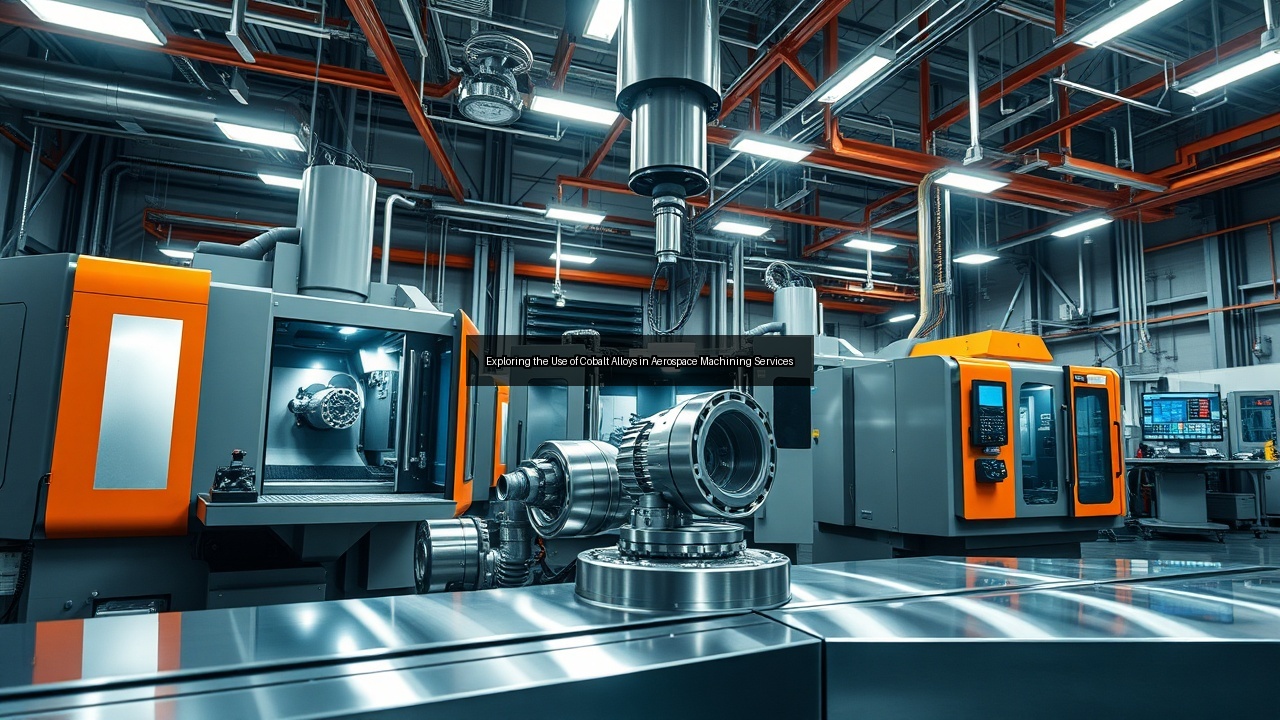
CNC machining techniques are integral to producing high-precision aerospace components. Computer Numerical Control (CNC) systems enable machinists to achieve remarkable accuracy in the manufacturing process. This technology allows for the precise shaping of cobalt alloys, titanium, and other metals used in aerospace applications. CNC machining enhances repeatability, ensuring that each part meets stringent quality standards. The versatility of CNC machines also supports various processes, from milling to turning, catering to diverse aerospace machining needs. As the aerospace industry evolves, CNC technology continues to play a pivotal role in optimizing efficiency and reducing production costs.
Milling and Its Importance in Aerospace Manufacturing
Milling is a critical process in aerospace manufacturing, especially for creating complex geometries in components like turbine blades and structural parts. This machining technique employs rotating cutting tools to remove material from a workpiece, allowing for precise shaping of cobalt alloys and other metals. The ability to produce intricate shapes with high tolerances makes milling indispensable in the aerospace sector. Machinists utilize various milling tools designed specifically for aerospace applications, ensuring optimal performance and surface finish. As aerospace demands increase, milling technology continues to aerospace parts machining advance, integrating innovative tools and methodologies to enhance manufacturing capabilities.
Precision Machining for Turbine Blades and Missiles
Precision machining is essential for producing turbine blades and missile components, where accuracy directly impacts performance and safety. Cobalt alloys, favored for their heat and wear resistance, undergo rigorous machining to achieve the required specifications. The process often involves advanced techniques, such as five-axis machining, which allows for complex geometries and intricate designs. Machinists focus on maintaining tight tolerances throughout production, ensuring that each component fits seamlessly within its system. This meticulous attention to detail not only enhances performance but also contributes to the overall reliability of aerospace systems. The synergy between precision machining and cobalt alloys elevates the quality of aerospace components significantly.
The Role of Cobalt Alloys in Reliability and Performance
Impact on Aerospace Component Durability
Cobalt alloys significantly enhance the durability of aerospace components, making them invaluable in high-performance applications. Their superior resistance to wear and corrosion translates to longer lifespans for critical parts, such as engine components and turbine blades. This durability reduces the frequency of maintenance and replacement, ultimately lowering operational costs for aerospace manufacturers. The consistent aerospace parts machining performance of cobalt alloys under extreme conditions ensures that aircraft and spacecraft can operate reliably, even in the most demanding environments. This reliability fosters confidence in aerospace engineering, as manufacturers prioritize materials that can withstand the rigors of flight.
Enhancing Performance in UAV and Spacecraft
Unmanned Aerial Vehicles (UAV) and spacecraft benefit immensely from the use of cobalt alloys. These materials enhance performance by providing the required strength and heat resistance essential for high-speed flight and space exploration. Cobalt alloys help optimize weight distribution in UAV designs, improving maneuverability and efficiency. In spacecraft, the ability to withstand the harsh conditions of space makes these alloys an ideal choice for critical components. As the aerospace industry pushes the boundaries of engineering, cobalt alloys will continue to play a vital role in developing innovative solutions that enhance performance and reliability.
Cobalt Alloys in Military Aircraft and Engine Components
Military aircraft demand the highest levels of performance and reliability, making cobalt alloys a preferred choice for engine components and structural parts. The critical nature of these applications requires materials that can withstand extreme temperatures and stresses. Cobalt alloys provide the necessary resilience, ensuring that military aircraft can operate effectively in combat situations. The integration of cobalt alloys into engine designs enhances thrust and efficiency, contributing to the overall effectiveness of military operations. As defense technologies evolve, the reliance on cobalt alloys in military aircraft will grow, reflecting the ongoing commitment to safety and performance in aerospace engineering.
Future Trends in Aerospace Machining Services
Integration of Industrial Automation in Machining
The integration of industrial automation in aerospace machining services represents a significant trend shaping the future of the industry. Automated systems enhance efficiency and precision, allowing machinists to focus on more complex tasks while machines handle repetitive processes. This shift not only increases productivity but also minimizes human error, ensuring that components meet stringent quality standards. As automation technology continues to advance, aerospace manufacturers will adopt smarter systems that optimize workflows and reduce costs. The seamless integration of automated machining solutions will redefine aerospace manufacturing, addressing the growing demand for high-quality components.
Advancements in Tool Steel and Precision Tools
Advancements in tool steel and precision tools are vital for enhancing aerospace machining capabilities. Manufacturers are developing new tool materials that improve performance and longevity, addressing the challenges posed by hard metals like cobalt alloys and titanium. Innovations in cutting tool design, such as coatings and geometries, lead to better efficiency and reduced wear during machining processes. As precision becomes increasingly critical in aerospace applications, these advancements will support machinists in producing components with unmatched accuracy. The continuous evolution of tool technology will drive the aerospace industry forward, enabling the production of cutting-edge aircraft and spacecraft.
Emerging Technologies in Aerospace Manufacturing
Emerging technologies in aerospace manufacturing promise to revolutionize the industry. Techniques such as additive manufacturing (3D printing) are gaining traction, allowing for the creation of complex components that traditional machining cannot achieve. This technology offers opportunities to use cobalt alloys in innovative ways, reducing material waste and production time. Additionally, advancements in simulation software enable engineers to optimize designs and predict performance before physical production. As the aerospace industry embraces these technologies, manufacturers will enhance their capabilities, leading to the development of more efficient and reliable aerospace components. The future of aerospace machining services lies in the fusion of traditional machining with cutting-edge innovations.