Innovations in Diesel Fuel Storage and Tank Level Monitoring
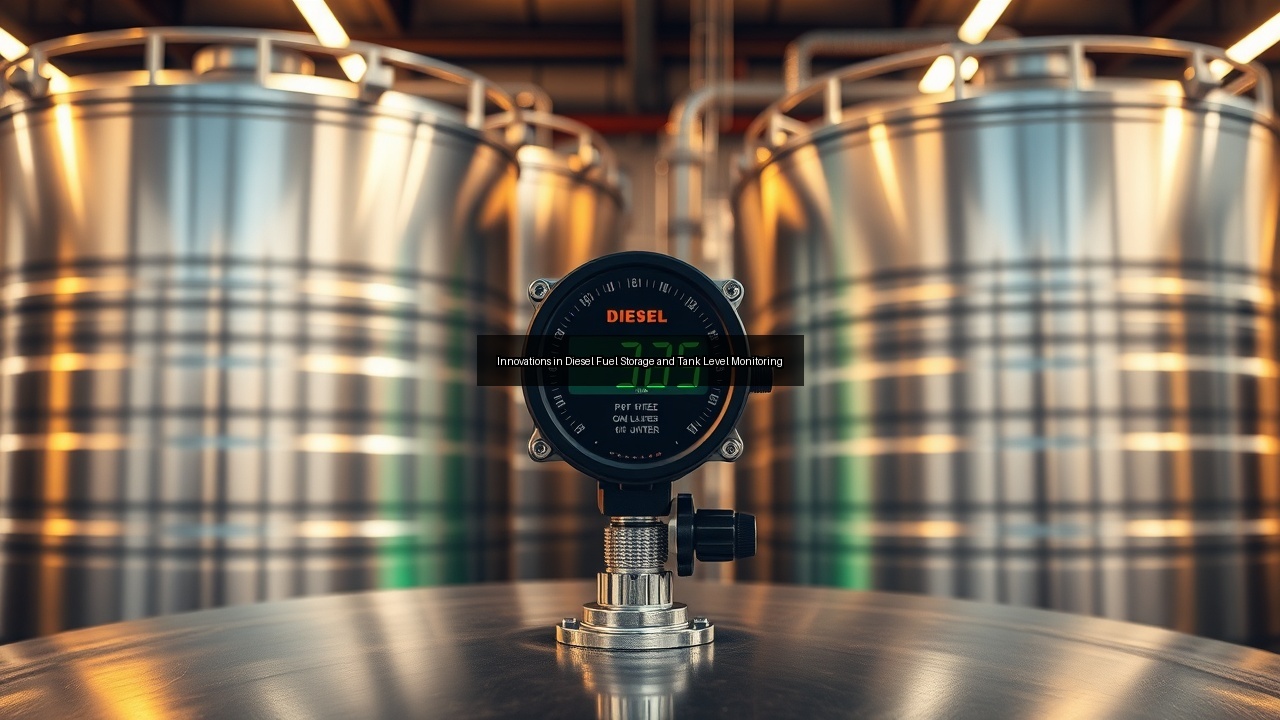
Understanding Diesel Fuel Storage Systems
Overview of Diesel Fuel Storage Tanks
Diesel fuel storage tanks play a crucial role in ensuring the efficiency and reliability of diesel engines across various applications. These tanks store diesel fuel safely, providing the necessary supply for vehicles, machinery, and equipment. Properly designed and maintained storage systems prevent contamination and ensure that the diesel remains viable for use. Storage tanks can vary widely in size and configuration, from small above-ground tanks used in residential settings to extensive tank farms that cater to industrial and commercial needs. Understanding the layout and functionality of these tanks is fundamental for anyone involved in diesel fuel management.
Types of Tanks: Plastic vs. Stainless Steel
When selecting a diesel fuel storage tank, one must consider the materials used in construction. Plastic tanks, often made of high-density polyethylene (HDPE), offer lightweight options that resist corrosion and are relatively easy to install. They are ideal for smaller operations and are often used in residential and agricultural settings. On the other hand, stainless steel tanks provide exceptional durability and resistance to environmental factors. They are the preferred choice for larger operations and commercial facilities due to their strength and longevity. Each type has its advantages, and the decision ultimately hinges on factors like storage capacity, environmental conditions, and regulatory compliance.
Importance of Proper Diesel Fuel Storage
Proper diesel fuel storage is essential to maintaining fuel quality and operational efficiency. Contaminated diesel can lead to engine issues, decreased performance, and increased maintenance costs. Regular monitoring of diesel tanks ensures that water, debris, and microbial growth do not compromise the fuel. Additionally, adhering to local regulations regarding diesel storage can prevent hazardous incidents and environmental damage. Implementing best practices for diesel storage, such as maintaining optimal temperatures and using effective filtration systems, is vital for prolonging fuel shelf life and ensuring that the fuel remains ready for use when needed.
Advancements in Diesel Tank Level Monitoring
Innovative Diesel Tank Level Indicators
Innovations in diesel tank level monitoring have transformed how operators manage fuel supplies. Today’s diesel tank level indicators utilize advanced technologies to provide real-time data, enhancing operational efficiency. For instance, ultrasonic level sensors use sound waves to measure the distance to the fuel's surface, allowing for accurate level readings without direct contact with the diesel. Such innovations reduce the risk of contamination and ensure reliability. Additionally, smart level indicators can connect to mobile devices, enabling operators to monitor diesel levels from anywhere. This advancement not only improves convenience but also allows for better inventory management, helping companies avoid both shortages and overstocking.
Comparative Analysis of Level Gauges
Level gauges come in various types, each suited for different applications and operational needs. Float gauges, for instance, use a buoyant device that moves with the fuel level, providing a simple yet effective way to monitor tank levels. However, they can be prone to mechanical failure and may require regular maintenance. In contrast, electronic level gauges offer enhanced accuracy and reliability. These devices often incorporate features such as alarms for low fuel levels and integration with automated systems. When comparing level gauges, operators should consider factors like accuracy, ease of installation, maintenance requirements, and the specific conditions of their storage facilities. The choice of a diesel tank level indicator can significantly influence operational efficiency and fuel management practices.
Integration of Level Sensors in Modern Storage Solutions
Modern storage solutions increasingly incorporate advanced level sensors to optimize diesel fuel management. These sensors can provide continuous monitoring and data collection, ensuring that operators have up-to-date information on tank levels. Integrating level sensors with centralized monitoring systems allows for comprehensive oversight of multiple tanks, whether in a single facility or across a tank farm. This integration enhances decision-making, enabling timely refueling and minimizing the risk of running out of diesel. Moreover, many of these sensors come equipped with predictive analytics capabilities, providing insights into consumption trends and helping organizations plan future fuel needs more effectively. The adoption of such technologies paves the way for smarter, more efficient diesel fuel storage and management practices.
Data Management and Monitoring Technologies
Real-Time Data Collection for Diesel Levels
Real-time data collection has become a game-changer in diesel fuel storage and management. Operators can now access immediate information about diesel levels, allowing for timely interventions and better planning. Advanced monitoring systems collect data from various sensors and transmit it to centralized platforms, where analytics can be performed. This real-time visibility not only aids in maintaining optimal diesel levels but also helps in identifying potential issues before they escalate. For instance, sudden drops in tank levels can signal leaks or unexpected consumption, prompting immediate investigation. Such proactive measures are essential for maintaining operational efficiency and ensuring compliance with safety regulations.
Benefits of Digital Monitoring Systems
Digital monitoring systems offer numerous benefits for diesel fuel management. These systems streamline operations by automating data collection and reporting, reducing the burden on personnel. Digital solutions often feature user-friendly dashboards that present data in an easily interpretable format, aiding quick decision-making. Additionally, these systems can send alerts for critical tank levels, allowing operators to take action before running out of fuel. Improved accuracy in level measurements reduces the likelihood of costly errors, such as overfilling or running low on diesel at inopportune times. Furthermore, integrating these systems with other operational technologies can lead to significant cost savings and efficiency gains.
Case Studies: Successful Implementations in the USA
Numerous organizations across the USA have successfully implemented advanced diesel tank monitoring systems, showcasing the effectiveness of these innovations. One notable case involved a large construction company that integrated electronic level gauges across its fleet of diesel tanks. The company reported a 20% reduction in fuel costs within the first year due to improved monitoring and management practices. Another case involved a municipal fleet management department that adopted a comprehensive digital monitoring system. This implementation enabled them to track fuel usage in real-time, significantly reducing instances of fuel theft and improving overall operational efficiency. These examples illustrate the tangible benefits that modern technologies bring to diesel fuel storage and management, setting a standard for the industry moving forward.
See Also
- Common Issues with Diesel Tank Level Gauges and How to Fix Them
- How Environmental Factors Affect Diesel Tank Level Measurement
- Exploring the Benefits of Digital vs Analog Diesel Tank Gauges
- Why Stainless Steel is Ideal for Diesel Tank Level Measurement
- The Future of Diesel Tank Level Measurement Technology